

The story behind Cora
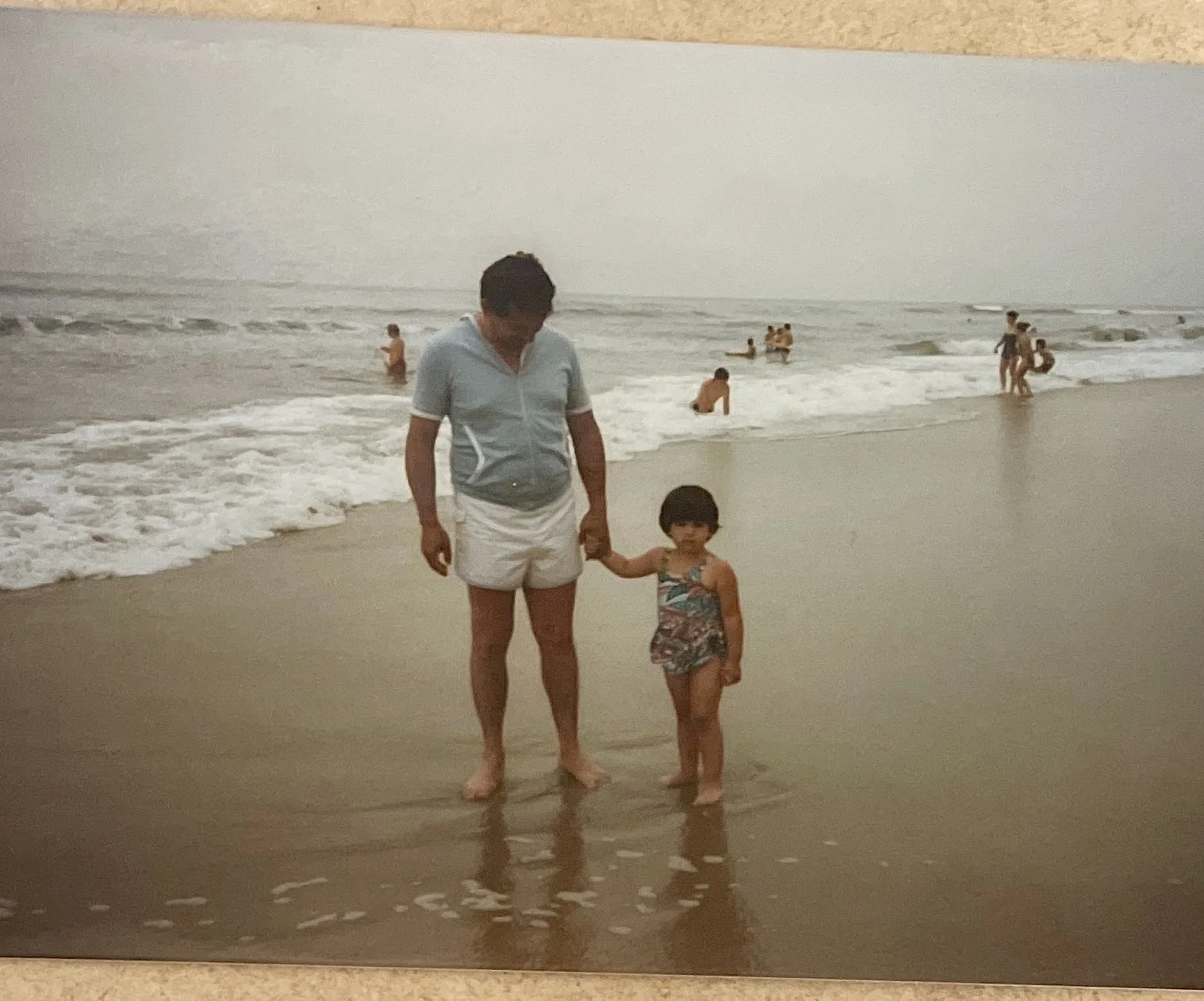
Holding On While Letting Go
When my father was diagnosed with dementia, life shifted.
As the disease progressed, my mother became his primary caregiver. I watched her carry appointments, his daily needs, and the quiet grief that comes with watching someone you love slowly change.
But I wasn't just watching.
I stepped in alongside her—coordinating appointments, navigating insurance, sorting through paperwork, and helping make decisions we never expected to face.
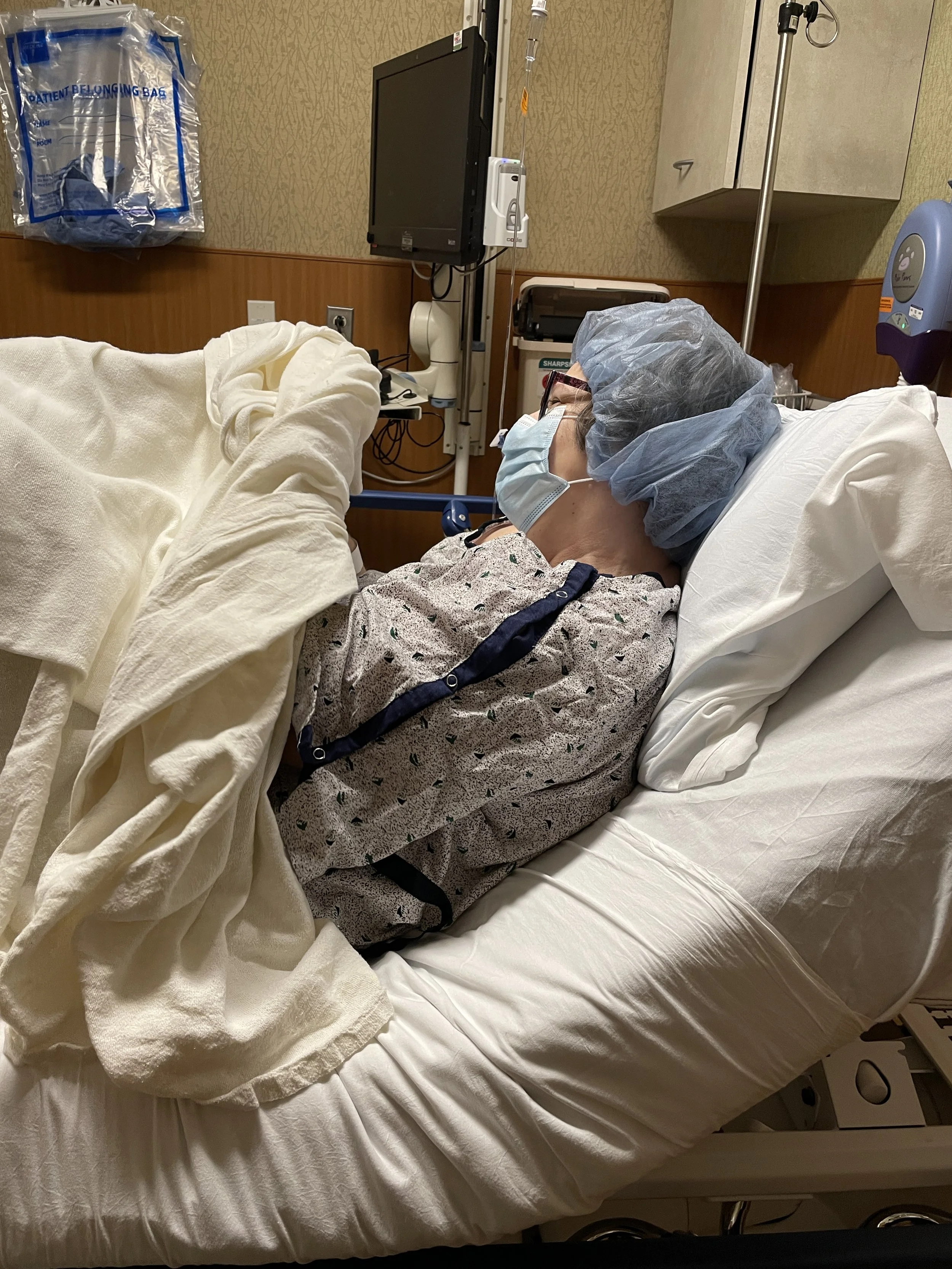
Then my mother was diagnosed with cancer.
Suddenly I was helping support both of my parents while balancing work, responsibilities, and my own life.
Like many caregivers, I became the organizer, advocate, decision-maker, problem-solver, and emotional anchor for everyone around me.
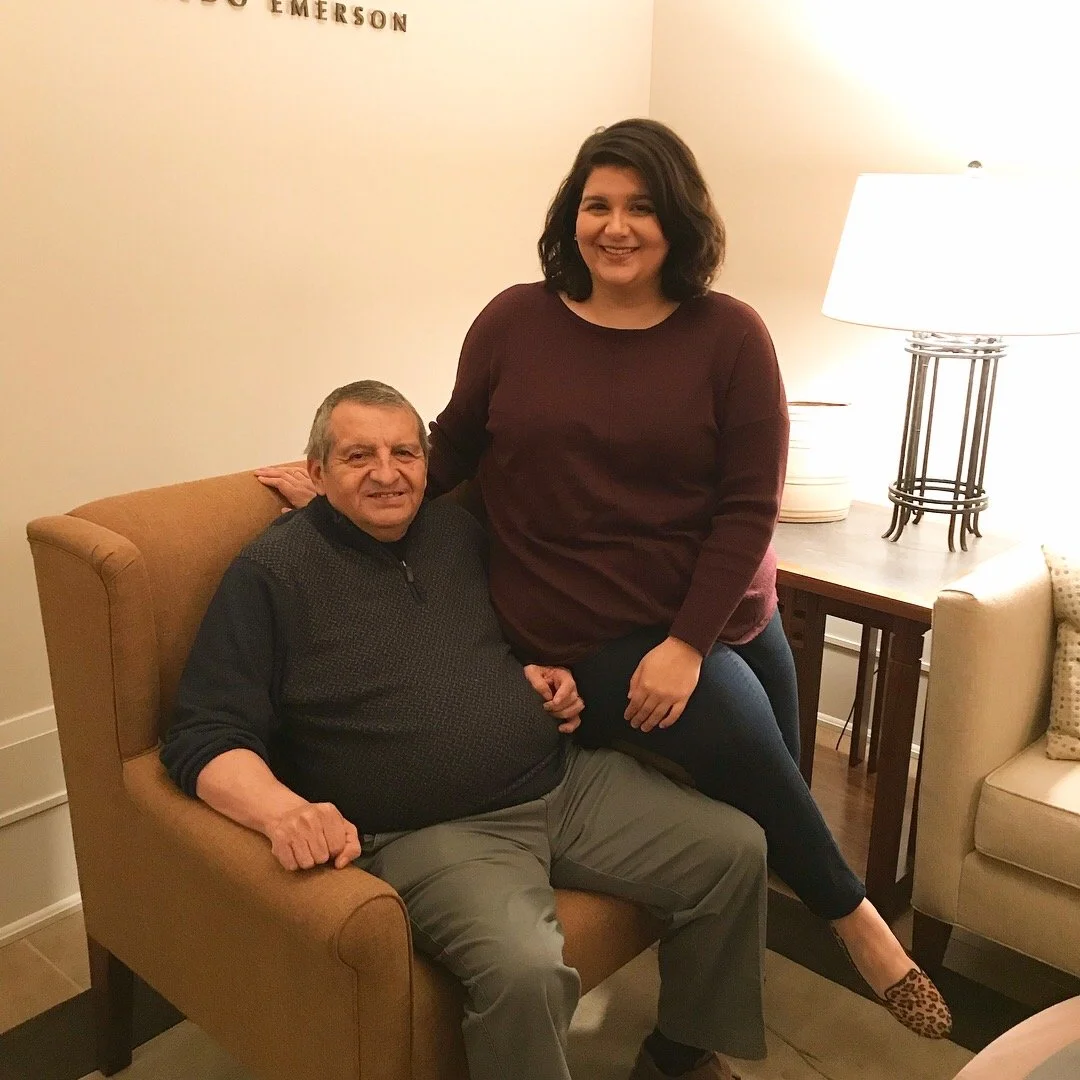
There was no roadmap. Just love, exhaustion, uncertainty,
and the determination to keep going.
Watching my father slowly change—and eventually lose the ability to be the father I knew—was one of the hardest parts.
Our relationship shifted.
I became the one keeping him safe, calm, and grounded.
I loved him deeply, but I also grieved the parts of him that were slipping away.
And I grieved the part of me that had to grow up quickly in ways others my age didn't.
The Guilt No One Talks About
There were moments of heartbreak. Moments of frustration. Moments when caregiving felt like it had seeped into every part of my life—my career, relationships, priorities, and future plans.
And then came the guilt.
Guilt for feeling overwhelmed.
Guilt for needing a break.
Guilt for wishing things were different.
The love was always there. But so was the weight.
One of the most important things caregiving taught me is this:
You can love someone deeply and still struggle with what caregiving asks of you. Both things can be true.

Why Cora Exists
At the same time I was navigating caregiving personally, I was spending my professional life working inside healthcare, behavioral health, and public health systems.
I saw the incredible support these systems can provide. I also saw the gaps. Caregivers are often given information, referrals, resources, and advice. But they're rarely given someone to help them make sense of all of it.
Someone to help organize next steps.
Someone to think through decisions.
Someone to prepare for difficult conversations.
Someone focused on the caregiver.
That's why I created Cora. A place where caregivers can bring the questions that keep them awake at night. The decisions they are struggling to make. The conversations they don't know how to start. The responsibilities they feel like they are carrying alone.
A place for practical support, honest conversation, and help figuring out what comes next.
Because caregivers deserve support too.
"WHY “CORA”?
Cora comes from the heart - literally
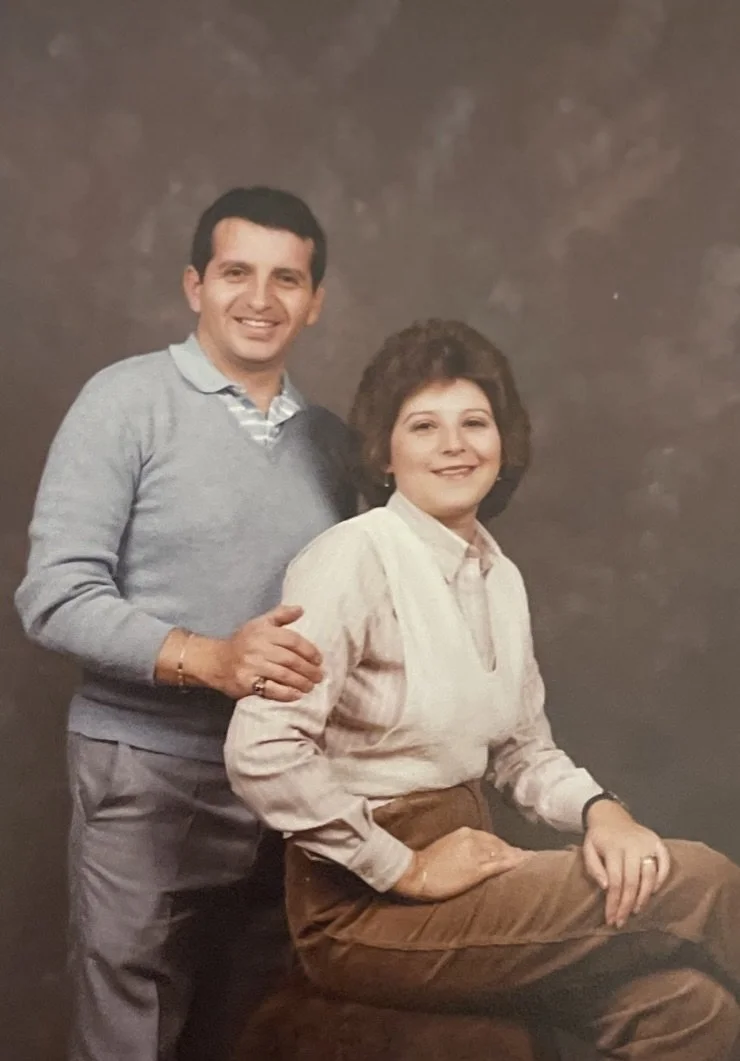
The name Cora comes from corazón—the Spanish word for heart. It was also the affectionate nickname my mom used for my dad.
Over time, that word came to represent much more than a name. It reminds me of where I come from, the resilience that carried our family through difficult seasons, and the values my parents passed on to me.
Who I am is because of them. Everything I bring to this work was shaped by the lessons they taught me and the experiences we shared as a family.
Cora Collaborative is a tribute to my parents,
and to every caregiver doing their best to care for the people they love.

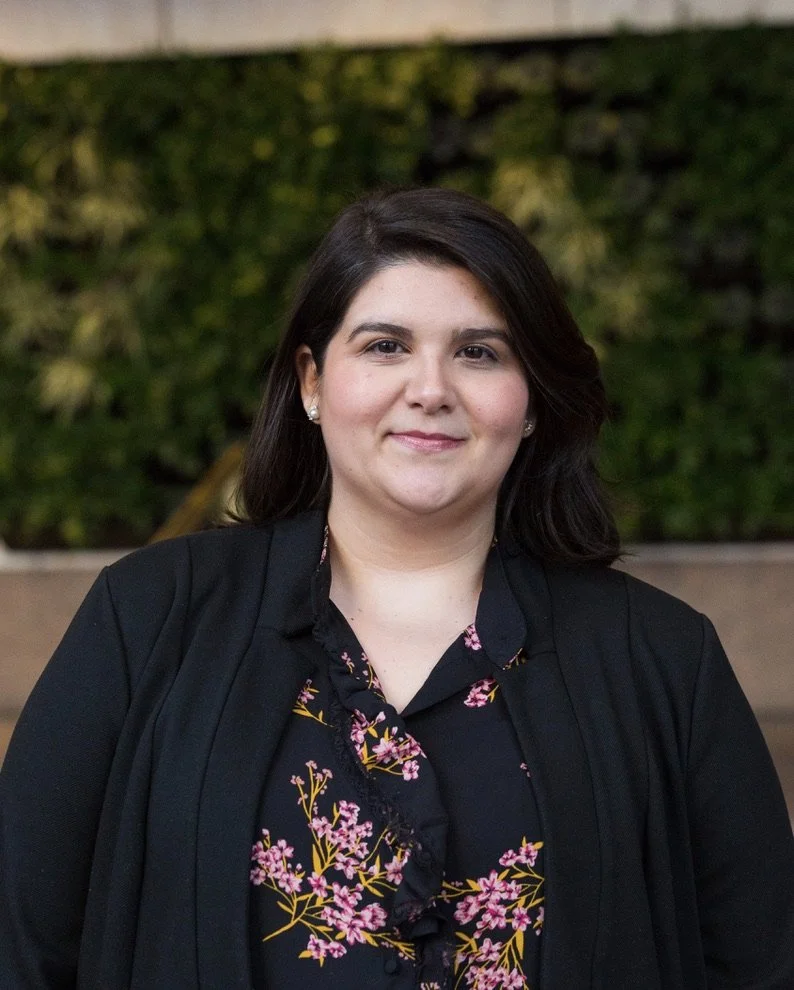
MEET YOUR COACH
American Foundation for Suicide Prevention
New York City Department of Homeless Services
Rutgers University Behavioral Health Care
Carlbrook School
Opioid Response Network
Lived experience, backed by expertise.
While my caregiving experience shaped Cora, it isn't the only thing that informs this work.
For more than 15 years, I've worked in counseling, behavioral health, public health, healthcare education, and community-based settings—supporting individuals, families, and communities through complex challenges.
Cora is built on both lived experience and professional expertise.
What Informs My Approach
Lived caregiving experience
Supporting family through dementia, cancer, and complex care decisions.
Behavioral health expertise
15+ years in counseling, mental health, suicide prevention, and substance use.
Healthcare & systems knowledge
Experience working across healthcare, behavioral health, and public health systems.
Education & training
Designing programs, trainings, and resources that turn complex information into practical action.
Professional Experience
Education
Ed.M., Counseling Psychology
Teachers College, Columbia University
M.A., Psychology
Teachers College, Columbia University
B.A., Psychology
Johns Hopkins University
Experience

Ready to take the first step?
Start with a free 20-minute call — or explore the free toolkit and come back when you're ready.